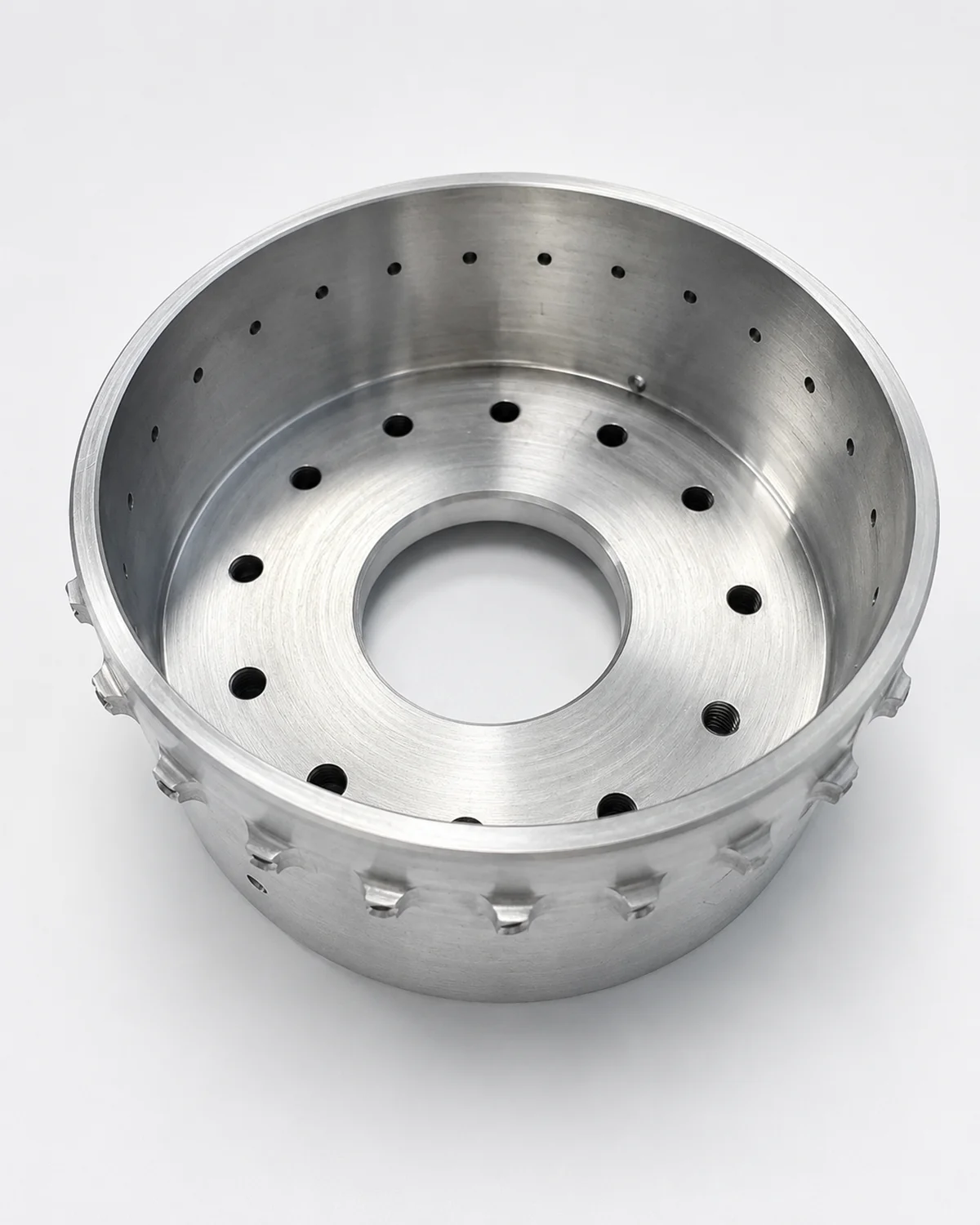
A prototype proves more than geometry. It reveals which features are difficult to machine, inspect, finish, assemble, and repeat. Moving to low-volume production is the moment to turn those lessons into a controlled manufacturing plan.
Freeze the approved revision, document what the prototype taught you, and agree on first-article and recurring inspection before releasing the batch.
01
Freeze the design and its acceptance criteria
Prototype changes often travel through email, marked-up drawings, and conversations. Before production, consolidate them into one released 3D model and one controlled drawing revision. Confirm material, finish, quantity, critical features, and any approved deviations.
A physical prototype is valuable context, but it should not become the only specification. Record the measurable conditions that made it acceptable so the next batch can be evaluated consistently.
02
Use prototype feedback to stabilize the route
Review where the prototype required special workholding, long-reach tools, hand blending, outside processing, or repeated inspection. Some choices are appropriate for one part but inefficient or variable across a batch.
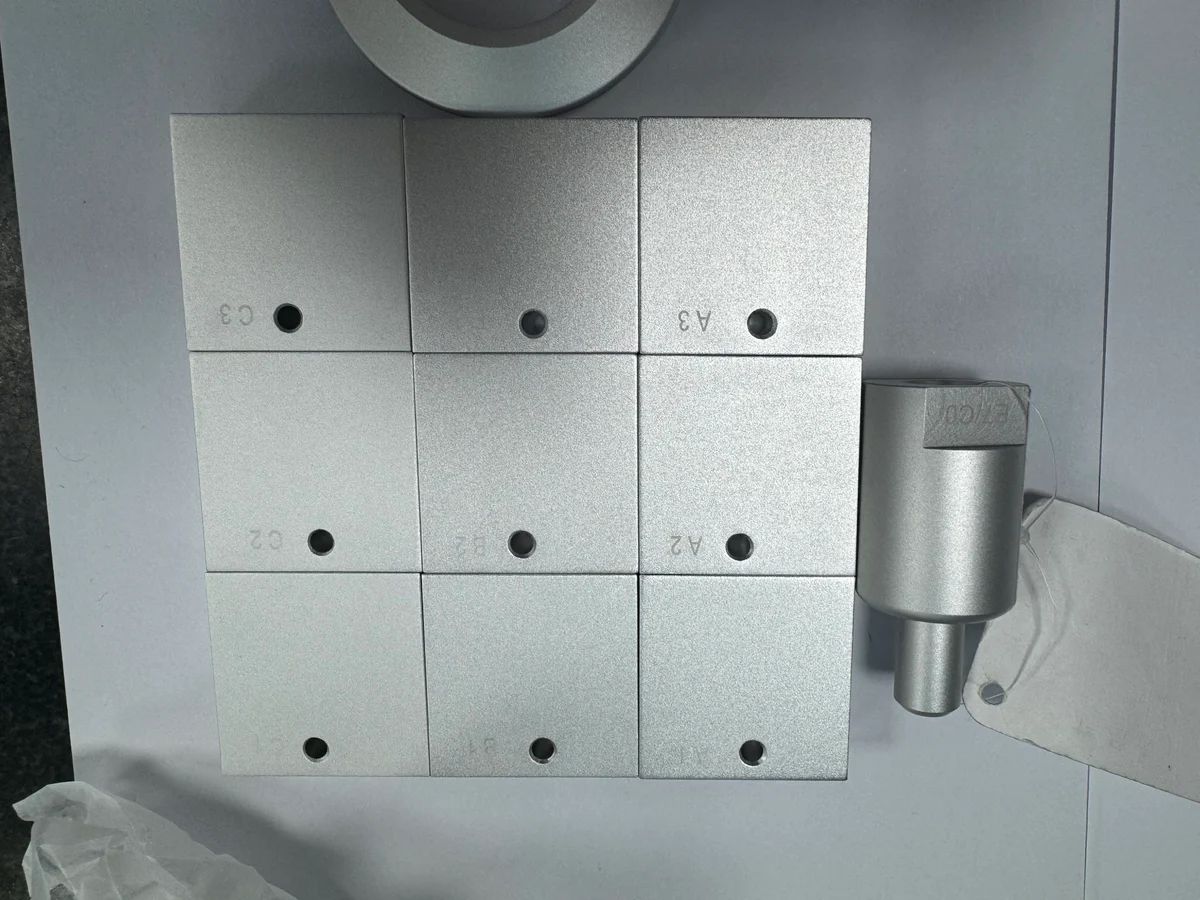
In a 1,000-part 5083 optical-component order, OUJI adjusted the feed and tooling to improve appearance consistency during production.
Small design changes—adding tool access, standardizing a radius, opening a corner, or creating a more stable datum—can reduce risk without changing the product function. Approve those changes before ordering material for the full quantity.
03
Define the first-article checkpoint
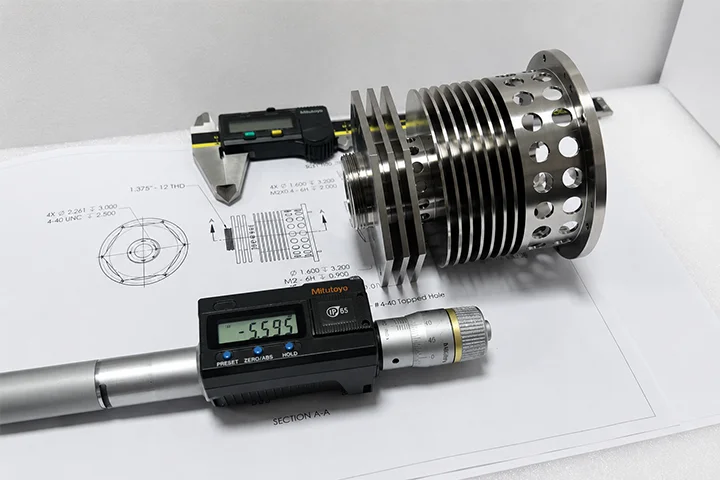
We call this step FAI — First Article Inspection, full-dimensional (what we refer to internally as "FAI 全尺"). It confirms that the released data, manufacturing route, finish, and inspection method produce the expected result. Decide whether production pauses for approval or continues at risk, and identify the dimensions and documents included in the review.
For repeat orders, retain the program revision, fixture information, approved samples, inspection plan, and finishing reference. This creates a baseline for detecting changes instead of rediscovering the process each time.
- Released drawing and model revision
- Material certificate and finish specification when required
- Critical dimension report and measurement method
- Cosmetic sample, packaging requirement, and labeling format
04
Plan the batch around risk, not only quantity

Low-volume production benefits from staged control. High-risk features can be checked early in the run, before the full quantity accumulates. Outside processes such as heat treatment and coating should include enough allowance for testing, handling, and potential sample parts. On a recent 7,000-piece order, sourcing custom material on a 7-day lead time — instead of settling for a stock size — reduced material cost enough to matter at that quantity, with machining running across roughly 20 days once material arrived. Planning that material lead time into the schedule up front, rather than discovering it mid-run, is what kept the batch on schedule.
Communicate the forecast if the batch may repeat. Even without a long-term commitment, expected timing helps the supplier plan material availability, tooling, and process retention for a more consistent next order.