
CNC Turning Services
Custom CNC Turning Services for Precision Shafts, Bushings & Threaded Parts
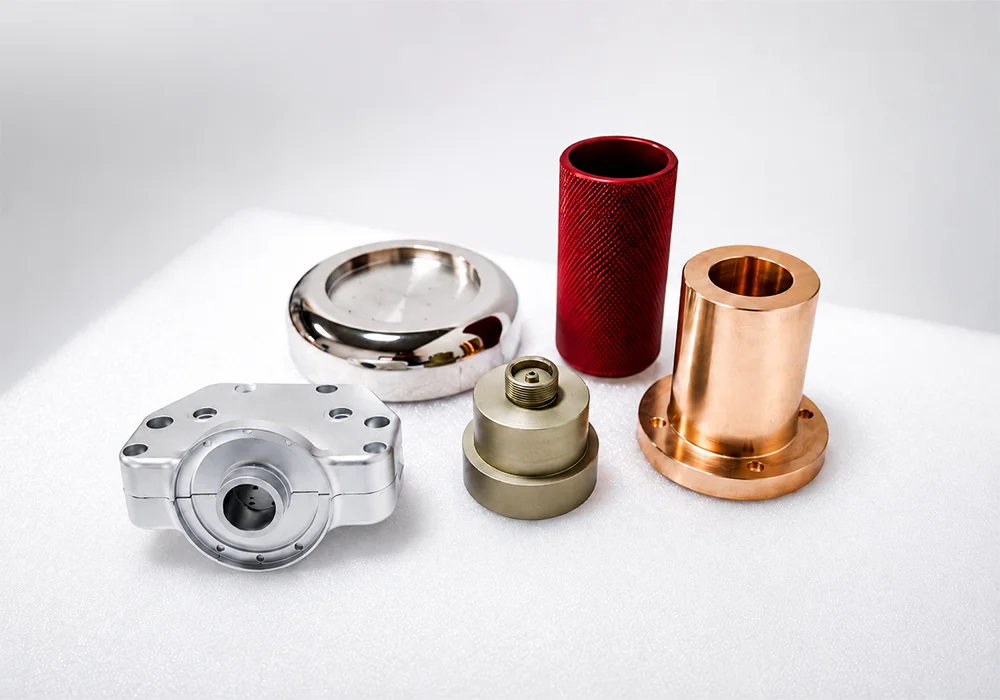
Send your 2D drawings and 3D files for CNC turned parts. OUJI supports shafts, bushings, sleeves, spacers, threaded components, connectors, and low-volume precision turning projects with drawing-based review and inspection support.
Drawing-based inspection · Supplier documentation support · ISO-related project review available when required
Start Your CNC Turning Quote
Send 2D Drawings and 3D Files for Practical Review
Share your drawings, quantities, material requirements, tolerance notes, surface finish needs, and any critical features. We review CNC turned parts based on geometry, machining stability, inspection method, and downstream finishing requirements.
All files are handled confidentially for quotation and project review.
Upload Drawings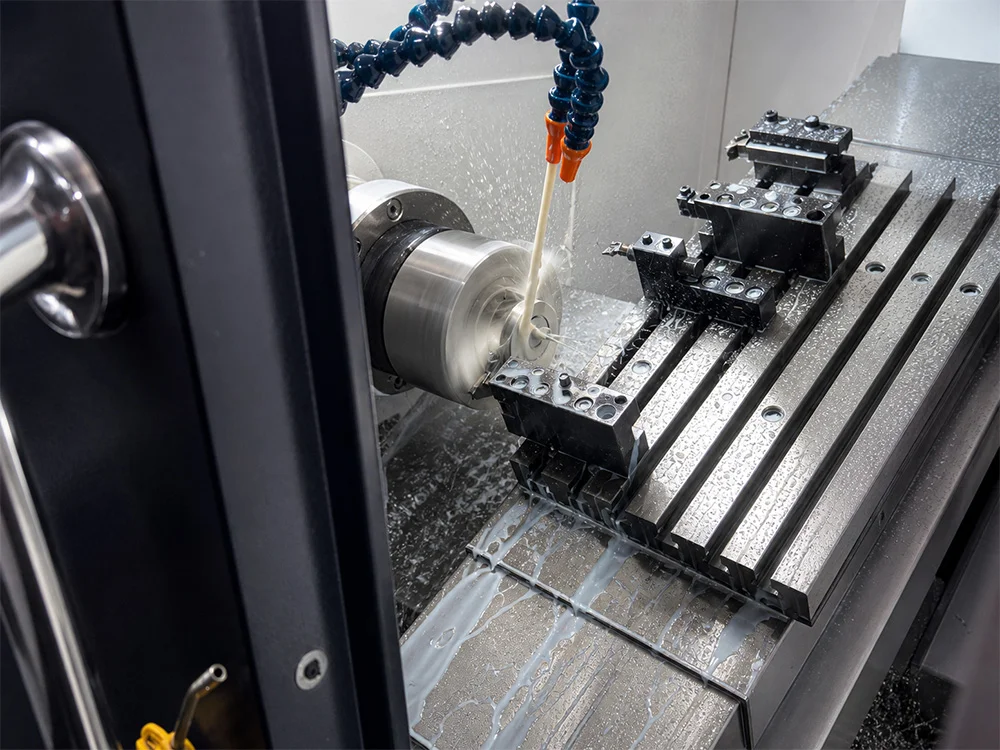
Overview
CNC Turning for Cylindrical and Rotational Precision Parts
CNC turning is suitable for custom parts with cylindrical geometry, concentric features, stepped diameters, grooves, threads, bores, and rotational profiles. It is commonly used when the workpiece rotates and cutting tools remove material to create accurate external and internal features.
Depending on the drawing, turned components may also require drilling, tapping, milled flats, cross holes, deburring, surface finishing, or secondary machining processes.
What We Make
Typical CNC Turned Parts We Support
OUJI supports custom CNC turning projects for functional prototypes, pilot runs, low-volume production, and repeat manufacturing orders.
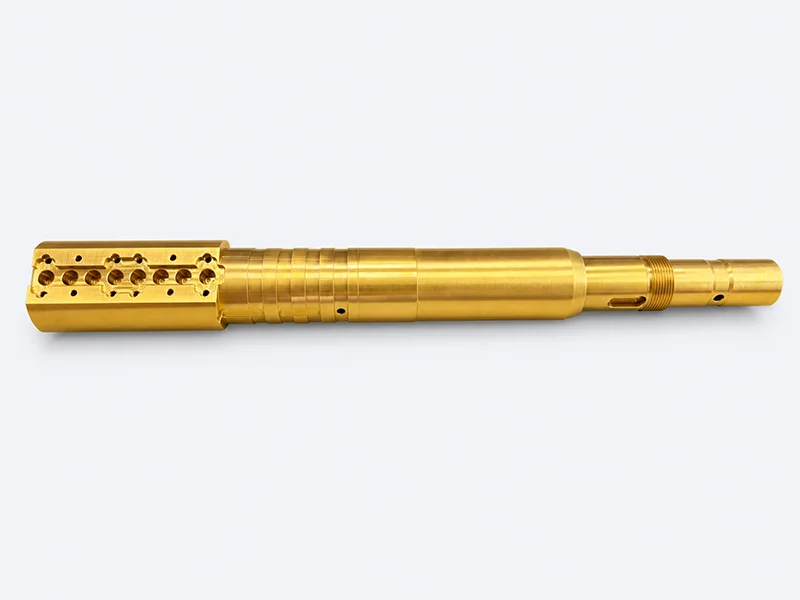
Shafts & Stepped Shafts
For motion systems, automation equipment, fixtures, assemblies, rollers, and mechanical transmission parts.
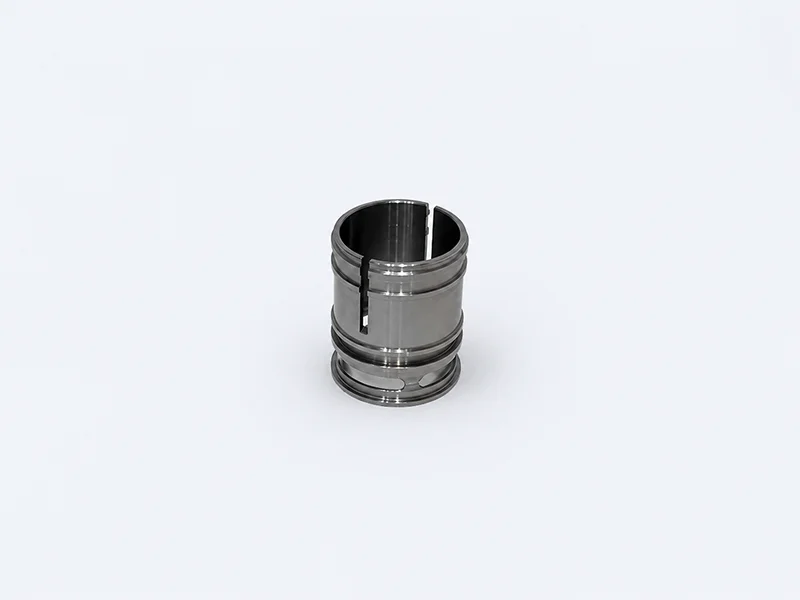
Bushings, Sleeves & Spacers
Suitable for concentric features, bores, shoulders, mating areas, and controlled inner or outer diameters.
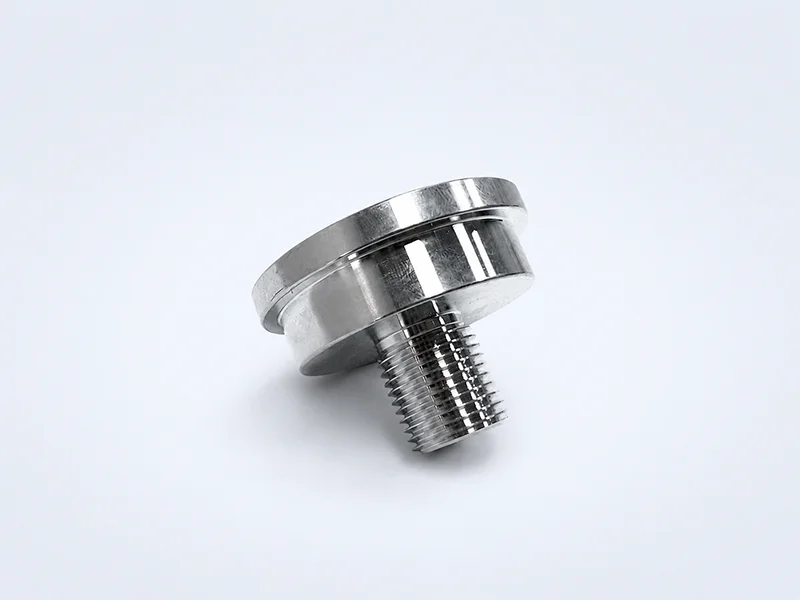
Threaded Components
External threads, internal threads, thread reliefs, grooves, and assembly-related turned features.
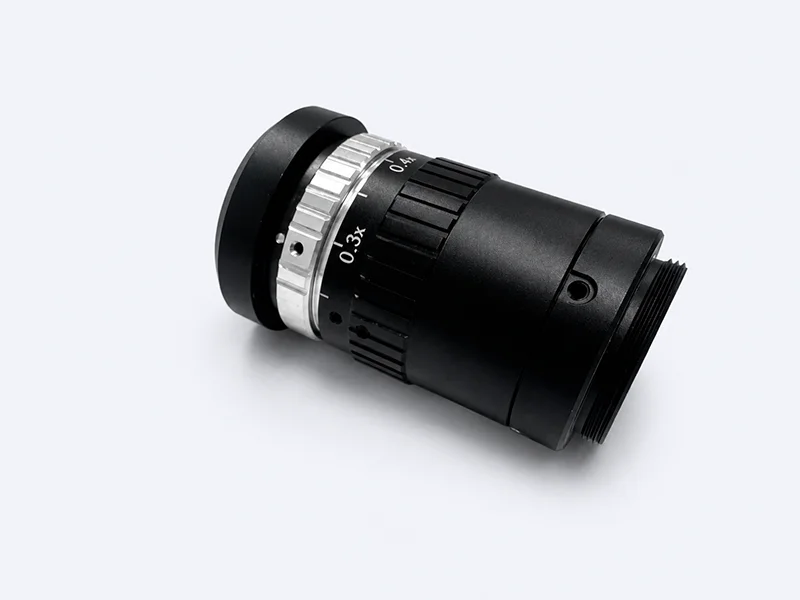
Pins, Connectors & Small Parts
Custom turned parts for electronics, RF, automation, machinery, equipment, and specialized precision applications.
CNC Turning Capabilities
Turning Size, Features, Tolerances, and Review Scope
CNC turning capability depends on part diameter, length, material, rigidity, wall thickness, feature depth, tolerance requirements, and whether secondary operations are required.
Machining Scope
| Type | Material Scope | Metric | Inches |
|---|---|---|---|
| CNC Turning | Soft metals & plastics | Ø500 × 1000 mm | Ø20.4 × 40.0 in |
| CNC Turning | Hard metals | Ø400 × 500 mm | Ø16.3 × 20.4 in |
| Turn-Mill / Secondary Features | Project-based review | Ø130 × 400 mm | Ø4.0 × 15.75 in |
Final feasibility should be reviewed from the drawing. Long slender shafts, thin walls, deep bores, tight concentricity, critical fits, and post-finishing requirements may affect process stability, inspection method, and lead time.
Unless otherwise specified on the drawing.
Depends on tool access, material, depth, and part rigidity.
For critical diameters, bores, shoulders, fits, and concentric features.
Materials
CNC Turning Materials for Metal and Plastic Parts
We support CNC turning projects in commonly used metals and engineering plastics. Material selection should consider strength, machinability, wear resistance, corrosion resistance, surface finish, cost, and final application requirements.
Metals
- Aluminum 6061 / 7075
- Stainless Steel 303 / 304 / 316
- Brass / Copper
- Carbon Steel / Alloy Steel
- Titanium, project-based review
Engineering Plastics
- POM / Delrin
- PEEK
- PTFE
- Nylon
- Other engineering plastics
Tolerances & Inspection
Practical Review for Critical Diameters, Bores, Threads, and Fits
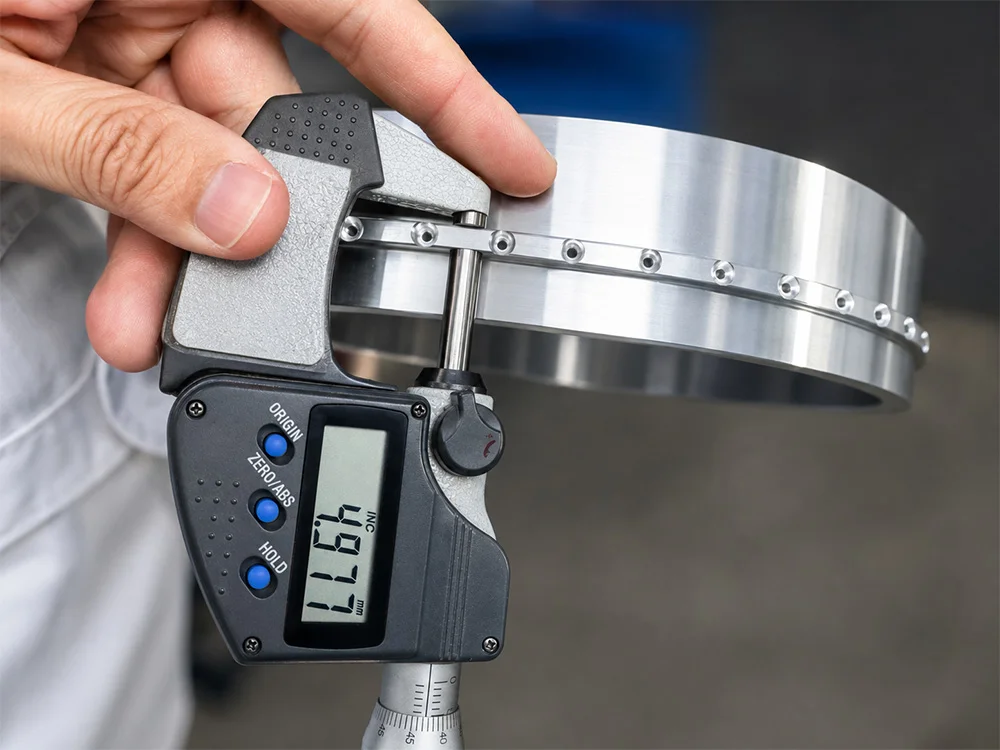
For CNC turned parts, we review tolerance requirements together with material type, length-to-diameter ratio, wall thickness, feature depth, surface finish, and inspection method.
Finishing Support
Surface Finishing and Secondary Process Support for CNC Turned Parts
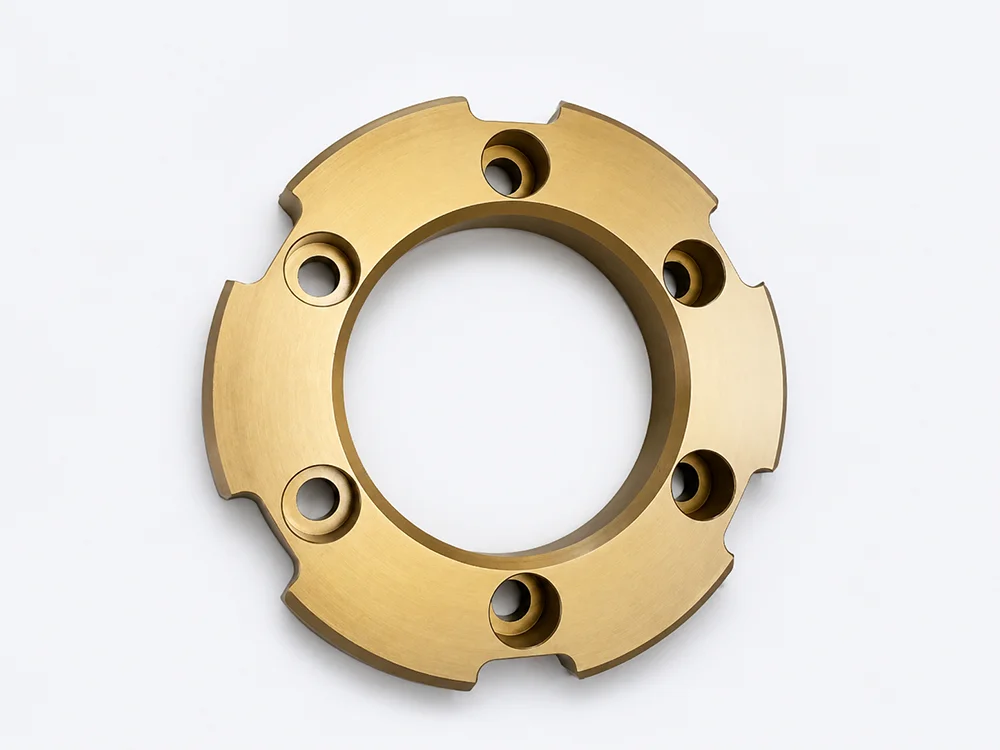
Many CNC turned parts require deburring, edge breaking, plating, passivation, anodizing, polishing, bead blasting, or other secondary processes before final use. OUJI reviews finishing requirements together with material, tolerance, masking areas, thread protection, and inspection needs.
Quality Standards
Quality Control References for CNC Turning Projects
CNC turning quality depends on more than machining accuracy. We review drawings, material, tolerance risks, inspection points, finishing needs, and secondary processes before production.
Quality Control Focus for CNC Turned Parts
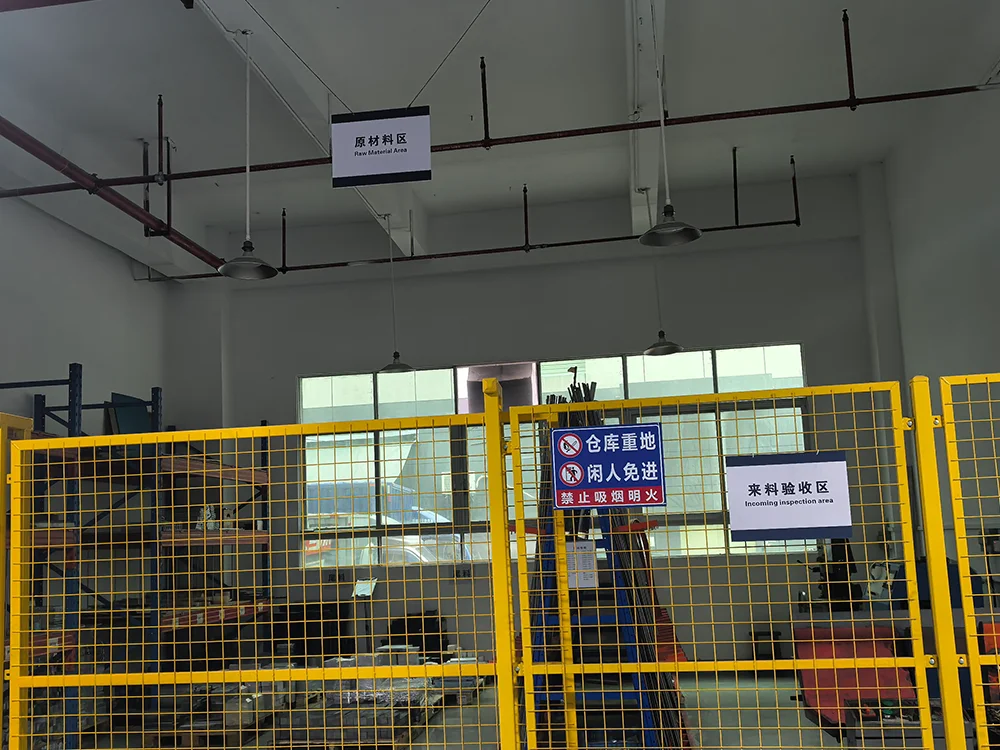
Diameters, bores, shoulders, threads, grooves, fits, concentric features, wall thickness, and length-to-diameter risks are reviewed before machining.
Material grade, machining stability, tool access, secondary operations, heat treatment, and finishing requirements are checked based on the drawing.
For critical CNC turned components, dimensional inspection, selected first article checks, and project-based inspection records can be arranged.
For official quality and environmental management references, you may also review ISO 9001 quality management and ISO 14001 environmental management .
Quality management reference for process control, inspection planning, documentation, and continuous improvement.
Environmental management reference for responsible manufacturing, supplier control, and process management.
Quotation, machining review, and inspection planning should be based on drawings, tolerances, and application requirements.
FAQ
CNC Turning Services FAQ
Common questions from overseas buyers about CNC turned parts, drawings, tolerances, materials, inspection, finishing, and quotation support.
What information should I send for a CNC turning quote?
Please send 2D drawings, 3D files if available, material requirements, quantities, tolerance notes, surface finish requirements, and any critical dimensions or functional areas that must be controlled.
How fast can you quote CNC turned parts?
For standard CNC turned parts with clear 2D drawings, 3D files, material, quantity, and tolerance notes, OUJI aims to provide initial quotation feedback within 12 hours. Complex parts, special materials, finishing, or inspection requirements may need additional engineering review.
What types of parts are suitable for CNC turning?
CNC turning is suitable for shafts, sleeves, bushings, spacers, pins, rollers, threaded parts, grooved components, connectors, and other custom parts with rotational or cylindrical features.
Can you support both prototypes and low-volume production?
Yes. OUJI supports CNC turned prototypes, pilot runs, low-volume production, and repeat orders based on drawing requirements and project needs.
Can you hold tight tolerances for CNC turned parts?
General CNC turning tolerance can be reviewed from ±0.005 in / ±0.13 mm. Tighter tolerances for critical diameters, bores, shoulders, fits, and concentric features should be clearly marked on the drawing and reviewed case by case.
Do you provide inspection reports?
Inspection support can be arranged based on critical dimensions, drawing requirements, and project needs. Please mark any required inspection points or documentation requirements before quotation.
Can you arrange finishing after CNC turning?
Yes. Depending on the material and application, finishing support may include deburring, edge breaking, anodizing, plating, passivation, polishing, bead blasting, and other project-based processes.
Start Your CNC Turning Project
Send Drawings for CNC Turning Quote Review
Get practical feedback on material, turning features, tolerance risks, finishing requirements, inspection needs, and project feasibility.