
CNC Machining Materials for Custom Precision Parts
Compare commonly used metals and engineering plastics for custom CNC machined parts, prototypes, low-volume production, and precision components requiring machining, finishing, and inspection support.
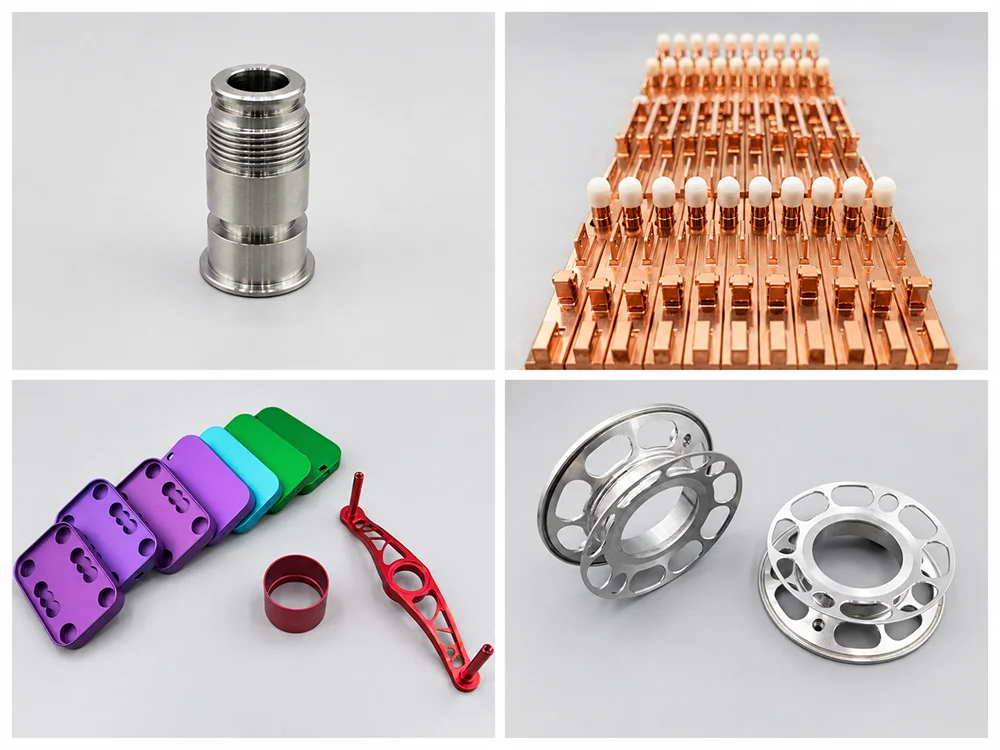
Choosing the Right Material Before Machining
Material choice affects machining difficulty, cost, lead time, surface finish, dimensional stability, corrosion resistance, weight, conductivity, and final part performance. For custom precision parts, the best material is not always the strongest or most expensive one. It should match the part function, tolerance requirements, finishing needs, and production quantity.
OUJI supports projects involving aluminum, stainless steel, carbon steel, alloy steel, brass, copper, and selected engineering plastics. We can also help review drawings when the material choice affects manufacturability, finishing, or inspection risk.
Common Materials for Custom Machined Parts
Start with the material group that matches your application, then confirm grade, finish, tolerance, and quantity based on the drawing.
Aluminum
Lightweight, easy to machine, and suitable for prototypes, housings, brackets, fixtures, and precision components requiring anodizing or cosmetic finishing.
- Common grades: 6061, 6063, 7075
- Good balance of weight and machinability
- Often used with anodizing, blasting, or clear coating
Stainless Steel
Used when corrosion resistance, strength, wear resistance, or clean appearance is important. Stainless steel usually requires more machining control than aluminum.
- Common grades: 304, 316, 303, 17-4PH
- Good for functional and corrosion-resistant parts
- Can be passivated, polished, or bead blasted
Carbon & Alloy Steel
Suitable for stronger mechanical parts, shafts, tooling components, machine parts, and parts requiring heat treatment or black oxide.
- Common grades: 1018, 1045, 4140, 40Cr
- Good strength and wear resistance options
- Often paired with heat treatment or protective finishing
Brass & Copper
Used for conductive parts, RF components, connectors, terminals, fittings, and parts requiring electrical or thermal performance.
- Common materials: brass, red copper, beryllium copper
- Good conductivity and corrosion resistance
- May require plating or anti-oxidation protection
Engineering Plastics
Suitable for lightweight, insulating, low-friction, or chemical-resistant parts. Plastic machining needs attention to deformation, clamping, and burr control.
- Common materials: POM, PEEK, PTFE, Nylon, PC, ABS
- Good for insulation and lightweight applications
- Dimensional stability should be reviewed carefully
Not Sure Which Material to Use?
Send us your drawing, application notes, expected quantity, and finishing requirements. We can help review whether the material is suitable for machining and production.
Ask for Review →Material Comparison for Machined Parts
This table is a practical reference for early material decisions. Final selection should still be confirmed based on drawing, tolerance, environment, finishing, and cost.
| Material Group | Typical Strength | Machinability | Corrosion Resistance | Common Applications | Common Finishes |
|---|---|---|---|---|---|
| Aluminum | Medium to high | Excellent | Good with anodizing | Housings, brackets, fixtures, prototypes | Anodizing, blasting, polishing |
| Stainless Steel | High | Medium | Excellent | Shafts, fittings, equipment parts, clean-use parts | Passivation, polishing, bead blasting |
| Carbon / Alloy Steel | High | Medium to good | Needs protection | Mechanical parts, tooling parts, machine components | Black oxide, zinc plating, heat treatment |
| Brass | Medium | Excellent | Good | Connectors, fittings, bushings, decorative parts | Nickel plating, polishing, passivation |
| Copper | Low to medium | Medium | Good but oxidizes | Conductive parts, heat transfer parts, RF components | Nickel plating, silver plating, anti-oxidation |
| Engineering Plastics | Low to medium | Good, material dependent | Material dependent | Insulators, guides, low-friction parts, lightweight parts | Usually as-machined |
What to Consider When Selecting a Material
A good material decision should balance function, manufacturability, quality risk, and cost. These are the main points we recommend checking before production.
Part Function
Consider load, wear, friction, conductivity, insulation, corrosion, and operating environment.
Machining Difficulty
Some materials are easy to cut, while others need slower machining, special tools, or stronger process control.
Tolerance & Stability
Thin walls, small features, long parts, or plastic components may deform during machining or after stress release.
Surface Finishing
Material choice affects anodizing, plating, passivation, polishing, blasting, and final cosmetic appearance.
Quantity & Cost
Prototype material decisions may be different from low-volume production or repeat production requirements.
Material Choice Should Match the Whole Manufacturing Route
For many custom precision parts, material selection is only the first step. The final result may also depend on machining process, heat treatment, surface finishing, inspection method, and packaging requirements.
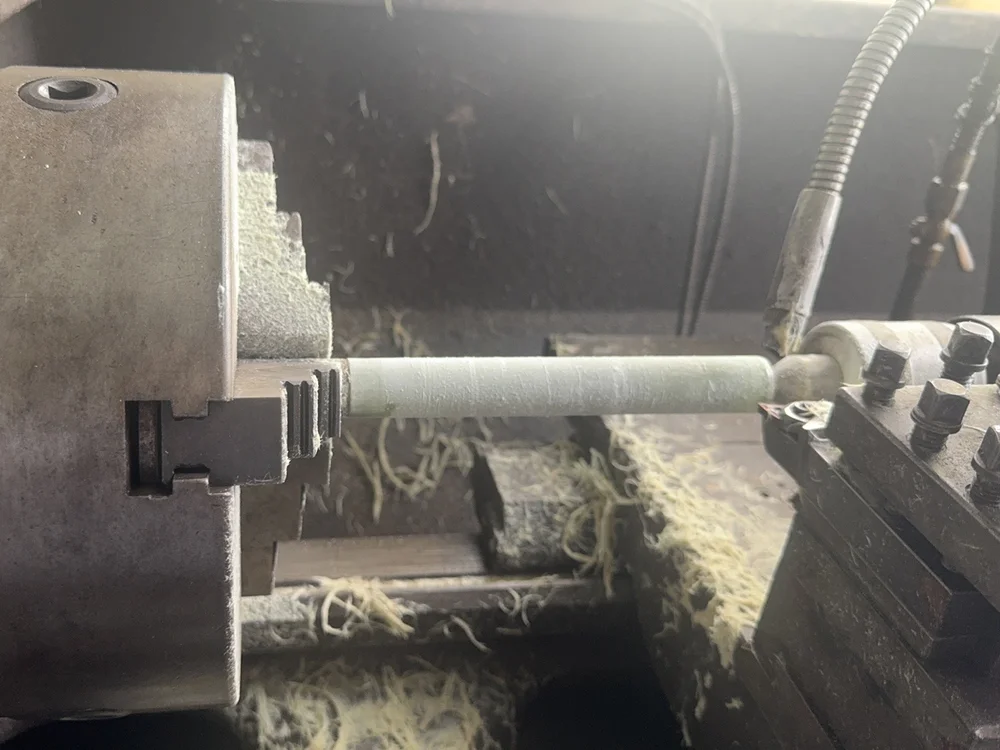
Where These Materials Are Commonly Used
Different industries often require different material priorities. The same part design may need a different material depending on load, environment, surface treatment, or assembly requirements.
RF & Electronics
Aluminum, copper, brass, and plated materials for housings, RF cavities, connectors, conductive parts, and shielding components.
Industrial Automation
Aluminum, steel, stainless steel, and engineering plastics for fixtures, brackets, guides, frames, and precision assemblies.
Machinery & Equipment
Carbon steel, alloy steel, stainless steel, and aluminum for machine parts, replacement parts, shafts, blocks, and support components.
Custom Precision Components
Material choices based on tolerance, small features, surface finish, durability, and production quantity for non-standard parts.
Materials FAQ for Custom Machined Parts
What material is best for CNC machined prototypes?
Aluminum 6061 is often a practical starting point for machined prototypes because it is lightweight, machinable, cost-effective, and suitable for many functional and appearance parts. However, the best choice depends on strength, environment, tolerance, and finishing requirements.
Can OUJI machine both metals and plastics?
Yes. OUJI supports common metals such as aluminum, stainless steel, steel, brass, and copper, as well as selected engineering plastics such as POM, PEEK, PTFE, Nylon, PC, and ABS.
Which materials are suitable for anodizing?
Aluminum is the most common material group for anodizing. The final appearance and consistency depend on the aluminum grade, surface condition, machining marks, and anodizing requirements.
Which material should I use for corrosion resistance?
Stainless steel is commonly selected for corrosion-resistant parts. Aluminum with anodizing and plated steel may also be suitable depending on the environment and performance requirements.
Can you help review material choice before quotation?
Yes. You can send us drawings, material requirements, expected quantity, surface finish, and application notes. We can review whether the material is practical for machining, finishing, and inspection.
Need Help Choosing a Material for Your Part?
Send us your drawing, application notes, material requirement, quantity, and surface finish. We can help review material feasibility and provide manufacturing support for custom precision parts.