
3D Printing Services
3D Printing Services for Prototypes and Custom Parts
OUJI supports 3D printing projects for concept models, functional prototypes, fit-check parts, low-volume samples, and custom components that require fast design validation before machining, fabrication, or production.
When 3D Printing Helps
Useful for Early-Stage Parts Before Full Manufacturing
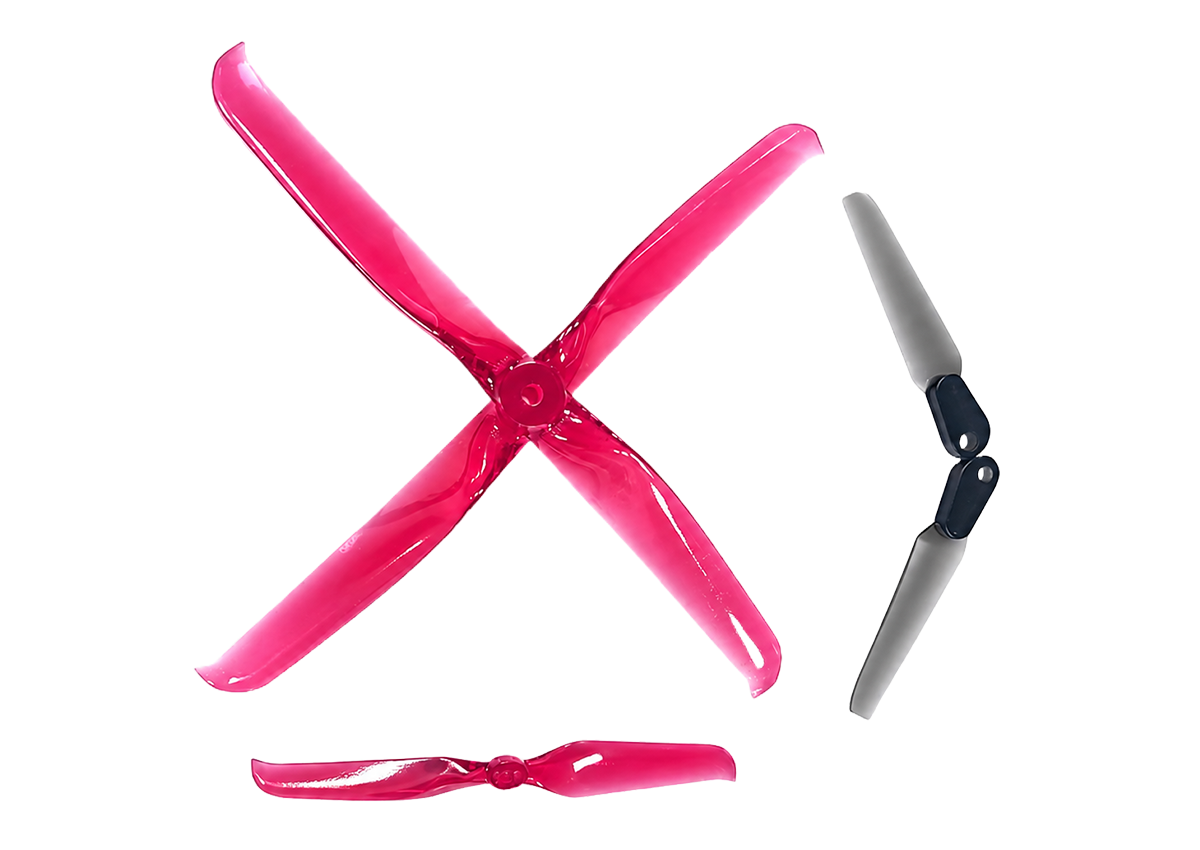
3D printing is often a practical first step when a project needs quick feedback on shape, assembly, appearance, or functional direction before investing in CNC machining, tooling, or larger production.
Concept Models
Useful for checking product appearance, basic size, shape, and early design direction.
Fit-Check Samples
Helps confirm assembly space, mating features, screw positions, and installation clearance.
Functional Prototypes
Supports basic functional testing when material strength, geometry, and part use are reviewed together.
Complex Geometry
Suitable for internal channels, lightweight structures, organic shapes, and geometry difficult to machine.
Process Selection
Choose the Printing Route Based on Function, Finish, and Budget
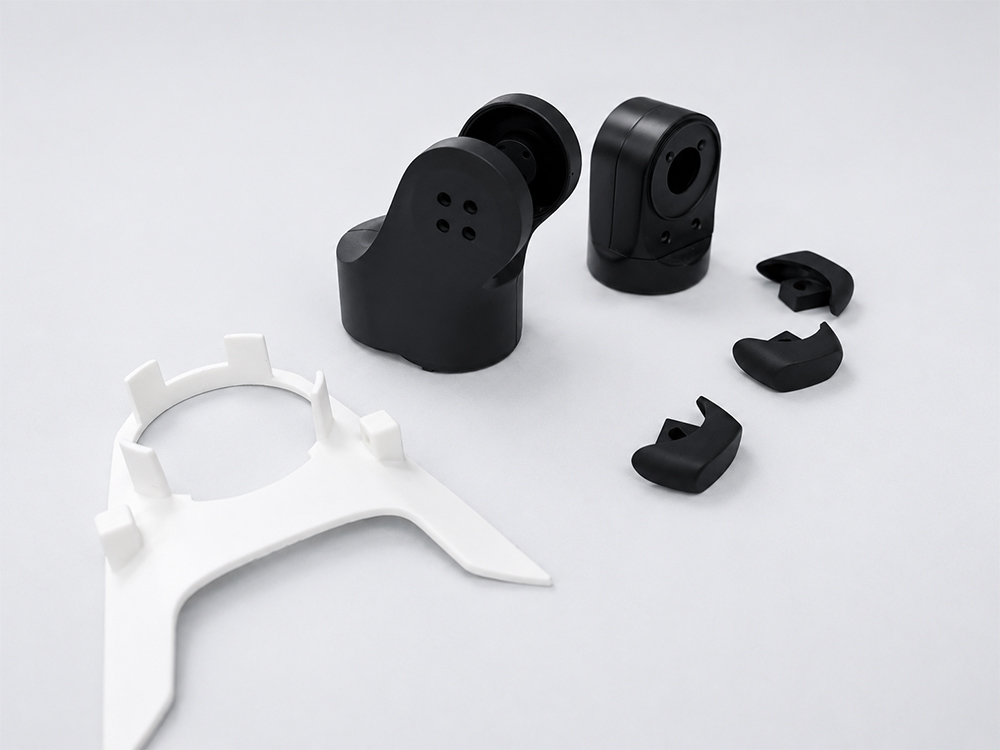
A good 3D printing project starts with process selection. OUJI reviews your part geometry, material expectation, surface requirement, tolerance needs, and quantity before recommending a practical manufacturing route.
Materials & Finishing
Prototype Parts With Practical Material and Surface Review
Material choice affects strength, surface quality, heat resistance, cost, and whether a printed part can be used for visual review, assembly testing, or functional validation.
Plastic Prototype Materials
- Resin for detailed visual models
- Nylon for stronger functional prototypes
- ABS-like materials for general product samples
- Flexible materials for selected test applications
Post-Processing Support
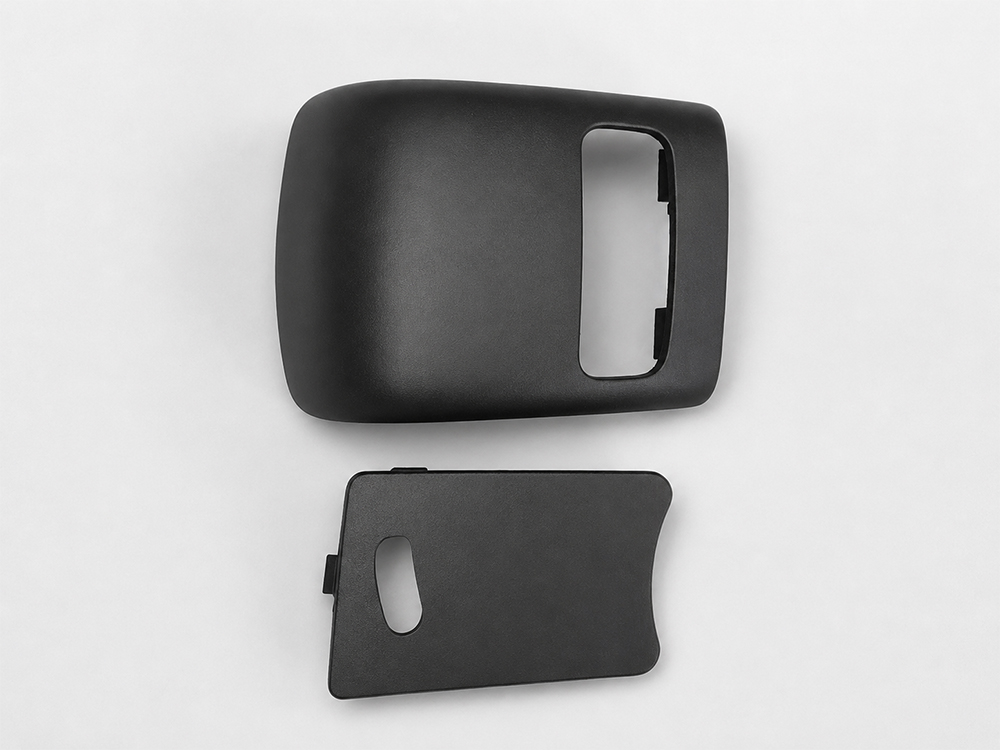
- Support removal and cleaning
- Sanding and surface improvement
- Painting, dyeing, or simple appearance finishing
- Thread inserts, tapping, and assembly support when required
Manufacturing Route Review
3D Printing, CNC Machining, or Sheet Metal?
Some projects should start with 3D printing. Some should go directly to CNC machining or sheet metal fabrication. OUJI helps review the part purpose before production so customers avoid using the wrong process.
Use 3D Printing When
You need fast samples, complex geometry, design validation, fit checks, or early product demonstration before final production.
Use CNC Machining When
You need tighter tolerances, better material performance, metal or engineering plastic parts, stable dimensions, and stronger functional testing.
View CNC MachiningUse Sheet Metal When
You need brackets, enclosures, panels, formed parts, welded structures, or low-volume metal assemblies.
View Sheet Metal FabricationDrawing Review & Inspection
Review Critical Features Before Printing
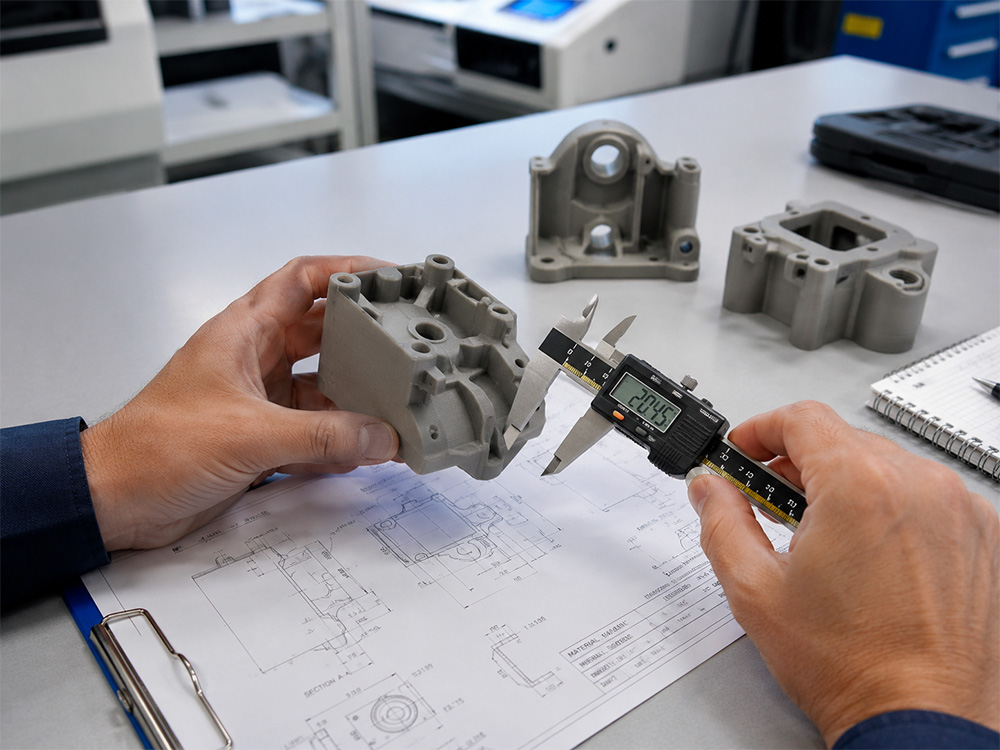
3D printed parts still need practical review. Before production, OUJI checks key details such as wall thickness, small holes, mating features, surface needs, quantity, and whether printed accuracy is suitable for the real application.
How to Start
From 3D Files to Prototype Parts
Send your 3D files, drawings, quantity, material preference, and surface requirements. OUJI will review the project and help confirm a practical route.
Send Files
Upload STEP, STL, IGES, PDF drawings, quantity, and application notes.
Review Requirements
We check geometry, material, surface finish, tolerance needs, and production risk.
Confirm Route
We recommend 3D printing, CNC machining, sheet metal, or a combined manufacturing route.
Produce & Inspect
Parts are produced, checked, packed, and prepared for international delivery.
Need prototype parts for design validation?
Send your 3D model and drawing requirements. OUJI will help review the best route for prototype, sample, or low-volume custom parts.
Request a 3D Printing QuoteFAQ
3D Printing Services FAQ
Common questions about prototype 3D printing, materials, files, finishing, tolerances, and when to choose CNC machining instead.
What files do you need for a 3D printing quote?
STEP, STL, IGES, or 3D CAD files are helpful. If available, please also send PDF drawings, quantity, material preference, surface finish needs, and the part application.
Can OUJI support both prototype and low-volume 3D printed parts?
Yes. OUJI supports prototype samples, fit-check parts, visual models, and selected low-volume custom parts depending on geometry, material, strength requirement, and budget.
Which 3D printing process should I choose?
The best process depends on part function, surface finish, strength, size, quantity, and budget. SLA is often used for detailed visual prototypes, while SLS or MJF may be better for stronger plastic functional parts. Some metal parts may require metal printing or CNC machining depending on the application.
Can 3D printed parts replace CNC machined parts?
Sometimes, but not always. 3D printing is useful for fast samples and complex geometry. CNC machining is usually better when the part requires tighter tolerance, stronger material performance, better dimensional stability, or production-grade metal and plastic parts.
Do you provide post-processing for 3D printed parts?
Yes. Depending on the material and process, OUJI can support cleaning, sanding, painting, dyeing, thread inserts, tapping, simple assembly, and other practical finishing needs.
Can you help if my project later needs CNC machining or sheet metal fabrication?
Yes. One advantage of working with OUJI is that we can help review the next manufacturing route after the prototype stage, including CNC machining, sheet metal fabrication, surface finishing, and inspection support.